Cart
0
0.00 SGD
The first time we travelled into Northern Thailand to meet our beekeepers, we weren't quite sure what to expect.
We knew we were going to see bees.
We knew there would be honey.
But we didn't realise how far we would have to travel to find the places where the bees were foraging.
The further we drove from the city, the more the landscape changed.
The roads became quieter. The towns became smaller. Eventually, there were long stretches where there seemed to be very little around us at all.
And then we started seeing the longan trees.
Lots of them.
When the longan trees flower, the landscape changes.
There can be an incredible abundance of small flowers, and suddenly you understand why the bees are there.
The bees have a reason to travel.
They leave the hives, forage among the flowering trees and return carrying nectar back to the colony.
Standing there, surrounded by the orchards, it was one of those moments when the connection between place and honey became very real for us.
Before that, Longan was simply the name of a honey.
Now we could see where it came from.
One thing that stayed with us was how remote some of our apiaries were.
We drove for hours from the city, sometimes along roads that seemed to get smaller and quieter the further we went.
GPS doesn't work.
WIFI doesn't work.
It isn't the kind of place you stumble across by accident.
And that remoteness is part of what makes the experience so special.
There are landscapes that still feel wonderfully untouched, where nature sets the rhythm and the bees are simply working within it.
You start to understand why our beekeepers chose these places.
The bees need the flowers.
And the flowers need a landscape where they can thrive.
When we first visited, naturally, we wanted to see the bees.
But after spending more time there, we found ourselves looking at everything around them.
The trees.
The flowers.
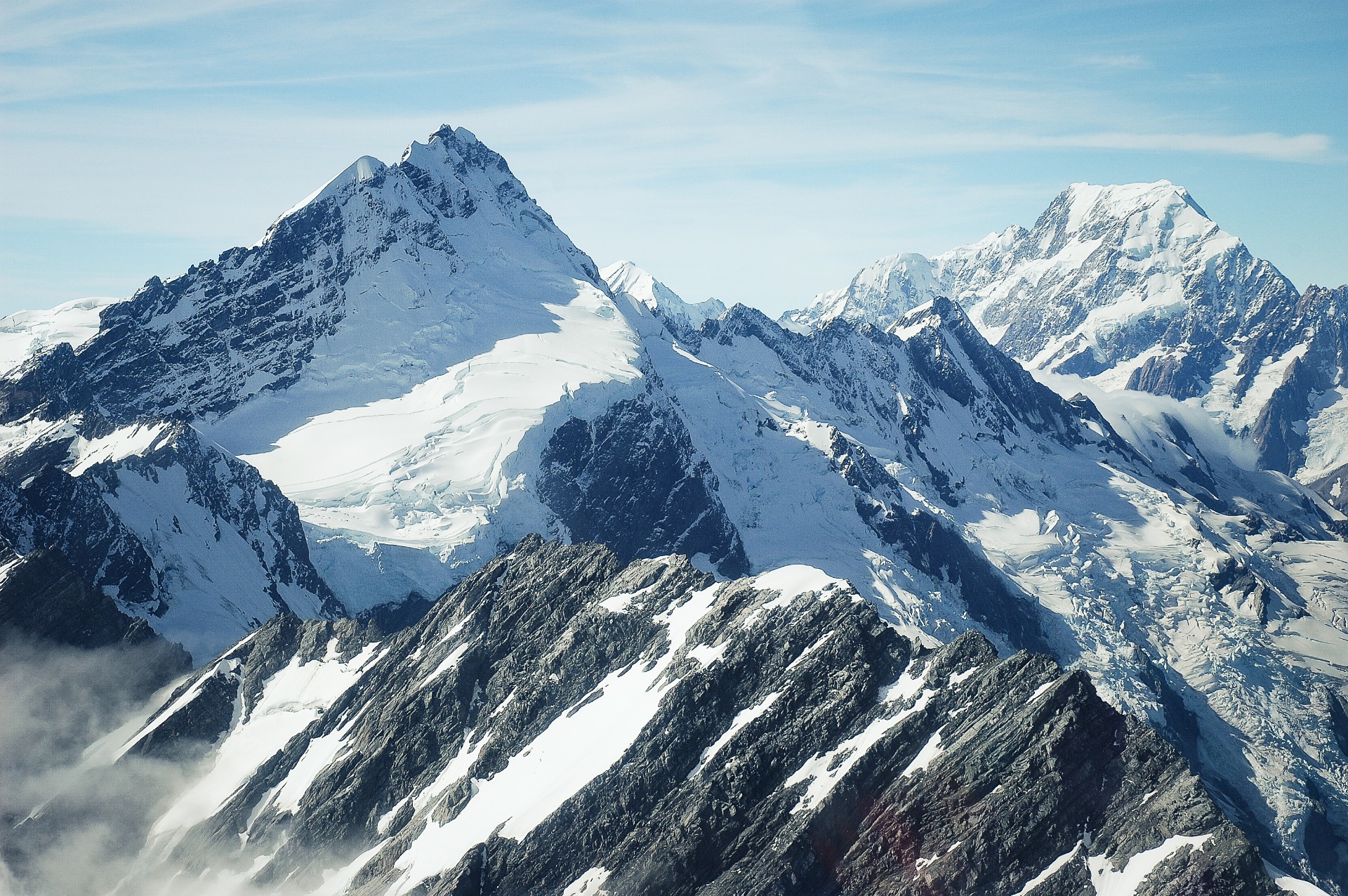
The mountains.
The weather.
The farms.
The people.
We began asking our beekeepers what was flowering, when the season would peak and what the bees would find when the longan flowers were gone.
It reminded us of something we had learnt in Western Australia.
If you want to understand a honey, you have to understand the place where the bees live.
The people we work with in Northern Thailand have spent years working with the bees and following the flowering cycles.
They know when the longan trees are about to flower.
They know when the bees will become particularly active.
They know how the weather can change the season.
And they know when it is time to wait.
We receive a lot of advice from our beekeepers, and much of it comes from this accumulated knowledge of the landscape.
It is something that can't easily be captured in a spreadsheet.
You ask google the knowledge, and ChatGPT doesn't give you the right answer.
You learn it by being there.
Year after year.
Season after season.
Eventually, all of this becomes something we can taste.
Longan honey has its own character, shaped by the nectar the bees collect during the flowering season.
But by then, we no longer see it simply as "Longan honey".
We think about the journey.
The long drive.
The flowering trees.
The bees moving between them.
The beekeeper checking the hives.
The season.
And the landscape that made the whole thing possible.
The honey is the part that reaches us. The place is where the story begins.
We could simply buy honey.
We could look at a label and accept that it came from Northern Thailand.
But that's not really how we want to work.
We want to meet the people who care for the bees.
We want to see the hives.
We want to understand the flowering seasons.
And every time we return, there is something else to notice.
That is what Northern Thailand has given us.
Not just a beautiful honey, but a different way of thinking about where honey comes from.
We started Hives Keeper because we wanted to understand honey better.
The more places we visit, the more we realise that understanding honey means going beyond the jar.
Sometimes, you have to drive for hours, leave the city behind and follow the bees to where the flowers are.
That is where the story really begins.